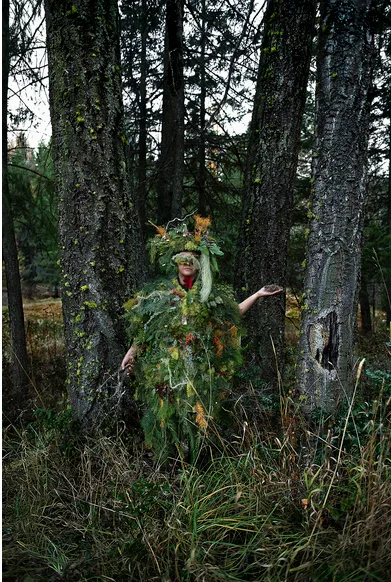
Building art tables out of forests
I recently sat with a student who was heartbroken after being isolated from a performance group that has been very vocal about inclusivity and offering a platform for disenfranchised performing artists; but it looks like that openness will only be extended if you abide by their specific aesthetic and unwritten rules about performing.
My student felt left out and that they didn’t belong anywhere. After chatting with them for a while I said, you know what? If they are not inviting you to the table to play, build your own damn table!!!
Suddenly my own words struck me like lightning. Here I am all sassy, telling my student to build her own artistic table where she can invite whoever she wants; her table, her table manners and I felt a pang of guilt because I recognized the feeling of being left out, and yet I’ve not made my own table.
When I arrived in Canada there were not many programs for new immigrant artists. The Latin community was barely visible and the art world seemed so obscure and easier to access if you spoke flawless English and had a Western education. It took me a few years to speak and write the language well, making my development as an artist slow. To this day I still need an editor for any piece of professional writing I do. It took me close to 20 years to understand the maze of the art world. I wish I could hold the hand of that confused Mexican girl that I once was and tell her that she has what it takes. The rubbish she faced in pursuing her ambition was not a reflection of her artistic abilities, but the result of a system that is designed to keep people like her quiet. The art world struggles with empowered female artists; it just doesn’t know what to do with them. We are expected to play nice, and by nice I mean to accept morsels of opportunities and substandard employment. Many galleries and museums still struggle to offer signature solo shows to female artists. If that female artist happens to be a person of colour and is without a Western education, the chance for such opportunities become non-existent. When I see BIPOC artists who were born in English speaking countries I tend to wonder if they have an inherent stool that allows them to stand taller and peek into that world from a better vantage point than I can. I suspect those little facts make a difference, but instead of lamenting my fate I can take my own advice and make my own damn tables, with matching stools, for me and all my fellow artists.